The Life-Saving Power of Stop the Bleed Training: Benefits of Bleed Control Training
In emergencies involving severe bleeding, every second counts. Uncontrolled bleeding can lead to death within minutes if not managed properly. This is where bleed control training becomes crucial. Learning how to stop bleeding effectively can save lives before professional medical help arrives. This article explores the life-saving power of such training, highlighting its benefits and practical applications.
Understanding the Benefits of Bleed Control Training
Bleed control training equips individuals with the skills to manage traumatic bleeding. This training is designed for everyone, not just medical professionals. Here are some key benefits:
Immediate Response: Traumatic injuries can happen anywhere - at home, work, or public places. Knowing how to control bleeding immediately can prevent fatalities.
Empowerment: People gain confidence to act decisively in emergencies, reducing panic and hesitation.
Community Safety: Widespread training creates safer communities where more people can provide critical help.
Reduced Mortality: Studies show that early bleeding control significantly improves survival rates in trauma cases.
For example, a bystander trained in bleed control can apply a tourniquet or pressure dressing to a bleeding wound, stabilizing the victim until paramedics arrive. This quick action can be the difference between life and death.

Key Techniques Taught in Bleed Control Training
Bleed control training covers several essential techniques that anyone can learn and apply:
Applying Direct Pressure
The simplest and most effective method to stop bleeding is applying firm pressure directly on the wound using a clean cloth or bandage.
Using Tourniquets
Tourniquets are devices used to stop blood flow to a limb. Proper application is critical to avoid further injury. Training teaches how to place and tighten a tourniquet correctly.
Packing Wounds
For deep wounds, packing the wound with gauze or cloth can help control bleeding when direct pressure alone is insufficient.
Positioning the Victim
Proper positioning can reduce blood loss. For example, elevating a bleeding limb above the heart level can slow bleeding.
Calling for Emergency Help
Training emphasizes the importance of quickly contacting emergency services while providing first aid.
These techniques are straightforward but require practice to perform confidently and effectively.
How Stop the Bleed Training Saves Lives
The phrase stop the bleed training refers to a national campaign and program designed to teach these life-saving skills. The program has been widely adopted in schools, workplaces, and public venues.
Consider a scenario where a person witnesses a car accident with severe bleeding. Without training, they might freeze or be unsure how to help. However, with stop the bleed training, they can:
Quickly assess the situation
Apply a tourniquet or direct pressure
Keep the victim calm and positioned safely
Communicate effectively with emergency responders
This immediate intervention can stabilize the victim and prevent fatal blood loss.

Practical Recommendations for Getting Trained
If you want to be prepared to save lives, here are some actionable steps:
Find Local Training Courses: Many hospitals, fire departments, and community centers offer bleed control classes. Look for certified programs.
Practice Regularly: Skills like applying a tourniquet require hands-on practice to master.
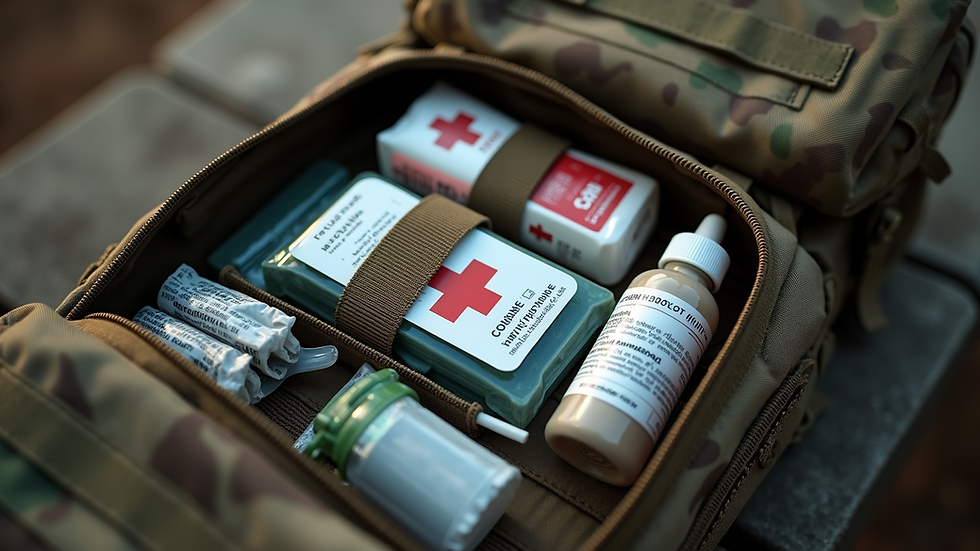
Keep a Bleed Control Kit Handy: Equip your home, car, or workplace with a kit containing tourniquets, gauze, gloves, and bandages.
Educate Others: Encourage family, friends, and coworkers to get trained. The more people trained, the safer the community.
Stay Updated: Medical guidelines evolve, so refresh your knowledge periodically.
By taking these steps, you can be ready to act confidently in emergencies.
The Broader Impact of Bleed Control Training on Society
Beyond individual preparedness, widespread bleed control training has a profound societal impact:
Enhanced Emergency Response: Trained civilians can provide critical care before EMS arrives, improving overall emergency outcomes.
Reduced Healthcare Burden: Early bleeding control can reduce the severity of injuries, leading to shorter hospital stays and lower medical costs.
Increased Public Awareness: Training programs raise awareness about trauma risks and prevention.
Support for First Responders: When bystanders intervene effectively, first responders can focus on advanced care.
Communities that prioritize bleed control training foster resilience and readiness for various emergencies, from accidents to natural disasters.
By understanding and embracing the life-saving power of bleed control training, individuals and communities can make a significant difference in trauma survival rates. Taking the initiative to learn these skills is a proactive step toward a safer environment for everyone.